Answers we give buyers every week
Written from our own sourcing, production and inspection work — not summarised from other websites. Every figure here comes from orders we have actually shipped.
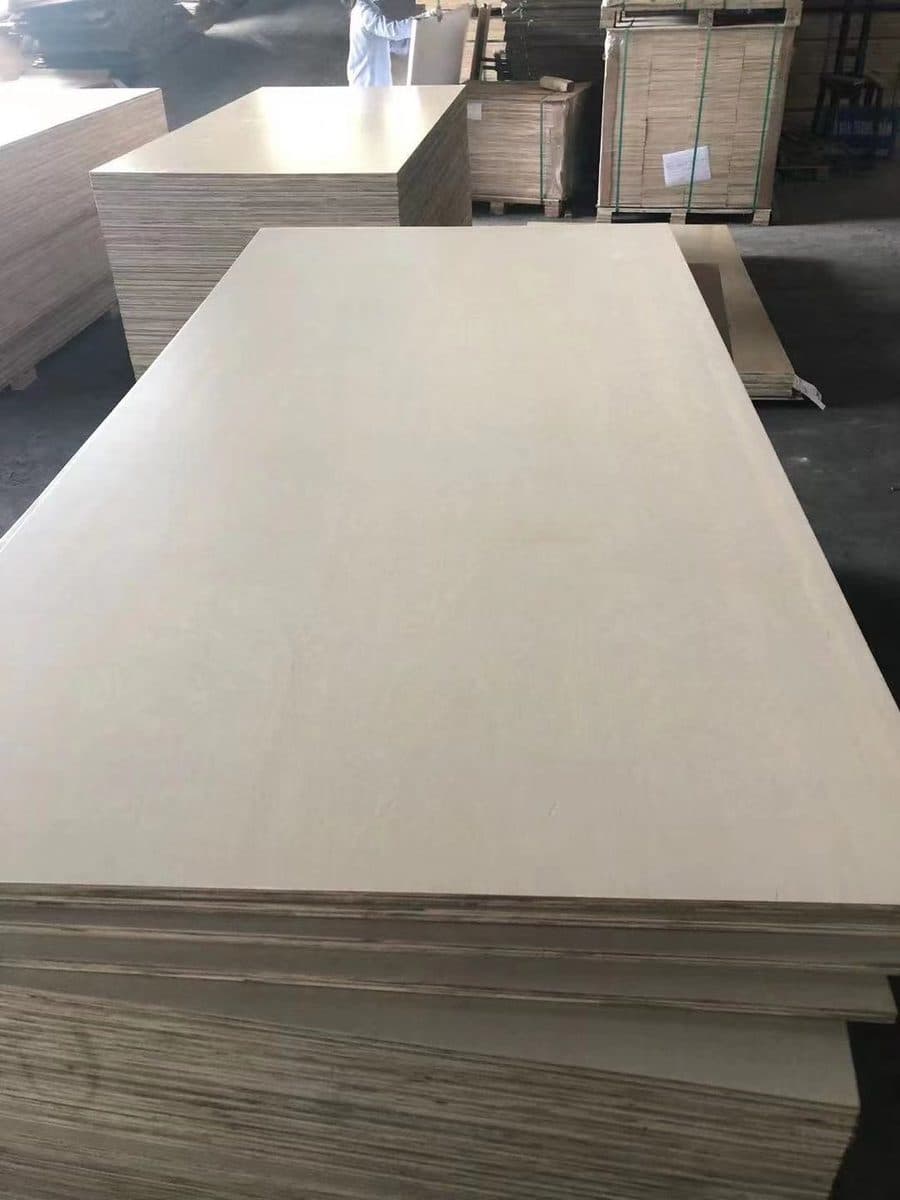
Birch Plywood from Vietnam, Grade by Grade
Birch plywood made in Vietnam is not Baltic birch. Here are the three constructions a Vietnamese mill can actually build, and what the face grades mean.
Read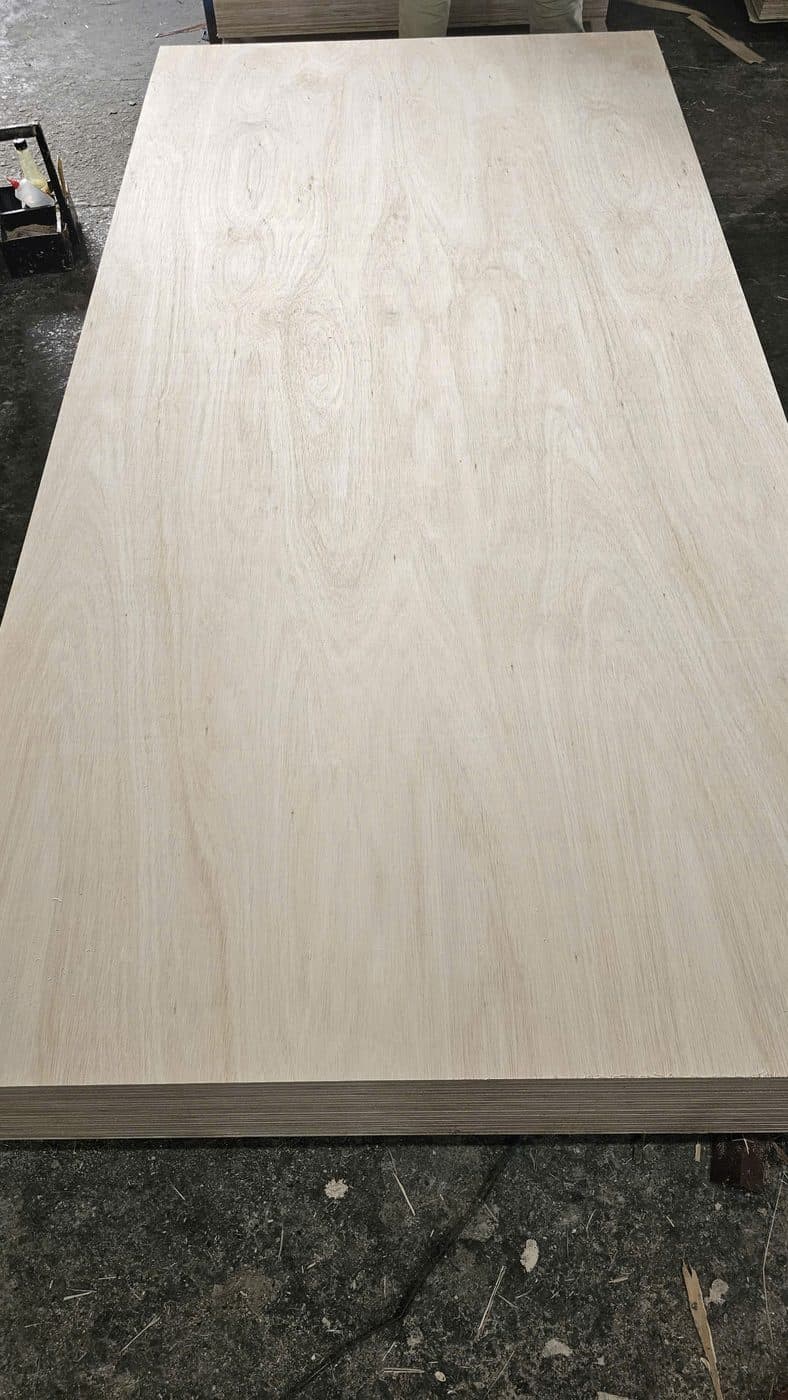
What Replaces Baltic Birch Plywood in 2026
Sanctions removed Russian and Belarusian birch and prices never came back. An honest comparison of the four routes buyers take, and each trade-off.
Read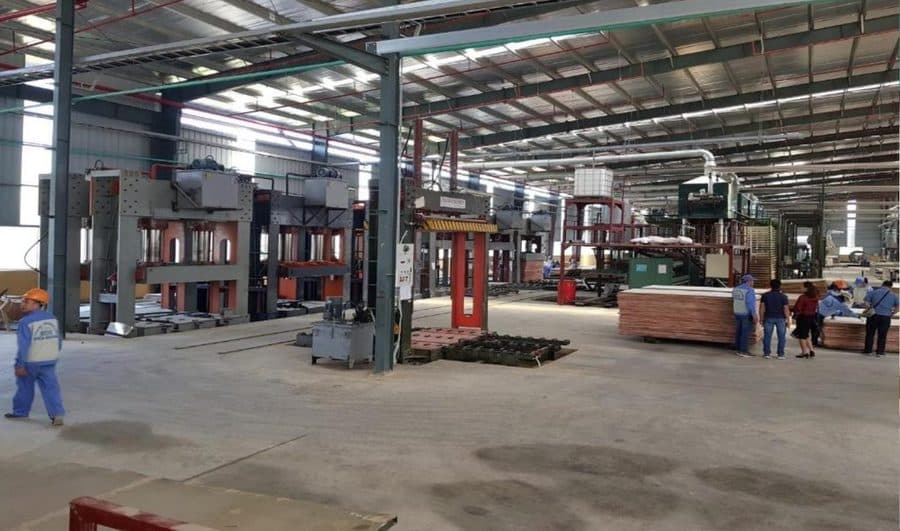
MR, WBP, E1, E0: What Glue Labels Mean
MR and WBP describe how the bond survives water. E1 and E0 describe formaldehyde released into a room. Confusing them is the commonest spec error.
Read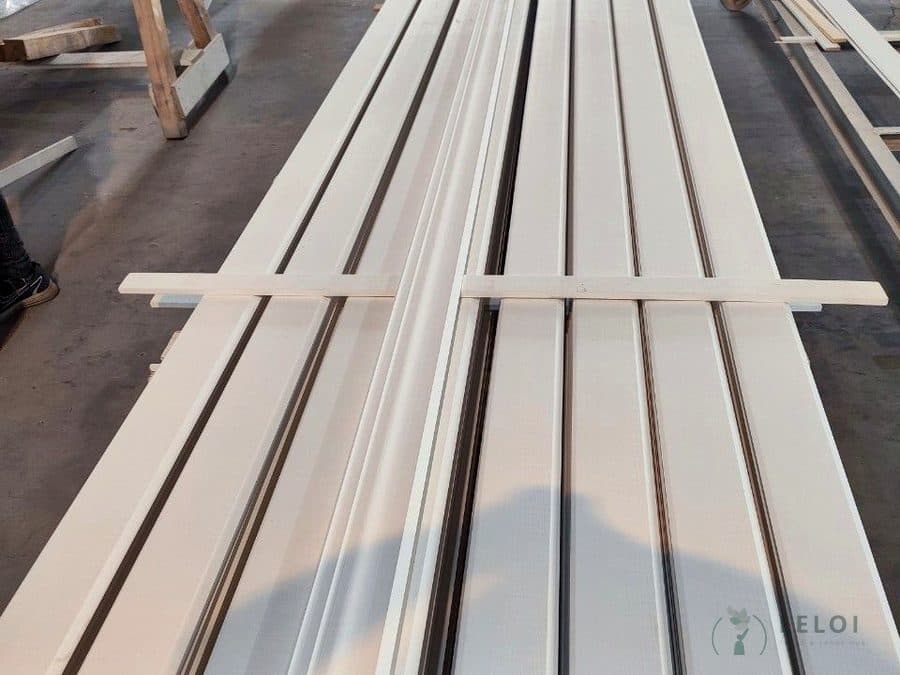
Primed Finger-Joint Moulding from Vietnam
Primed moulding is bought on three things: how straight it stays, how the primer takes topcoat, and how many metres fit in a container.
Read
MDF Moulding from Vietnam: Tariffs and Origin
US duty orders on Chinese wood mouldings ran on for five more years in June 2026 — and HTS 4411 does not put an MDF profile outside them.
Read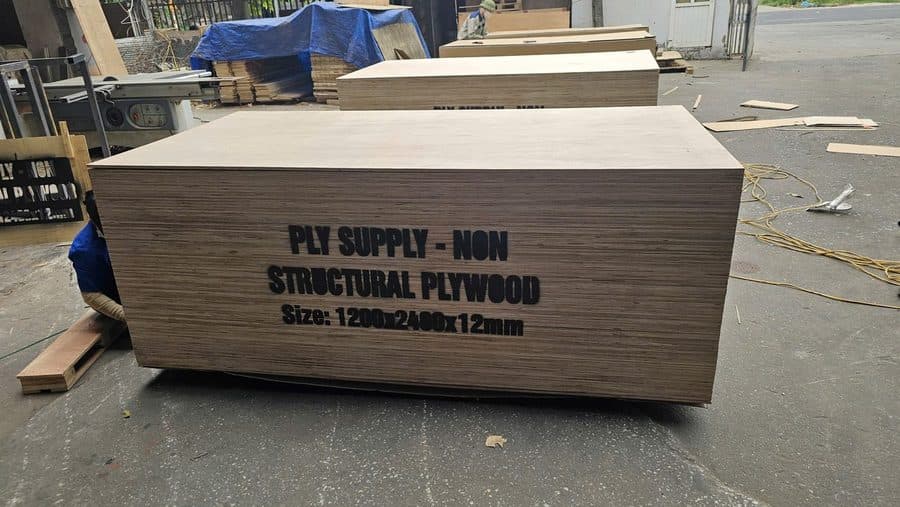
BB, CP, CC, C-D: Reading Plywood Grades
Plywood face grades follow at least four competing conventions, and no supplier says which one they use unless you ask. Here is how to read each.
Read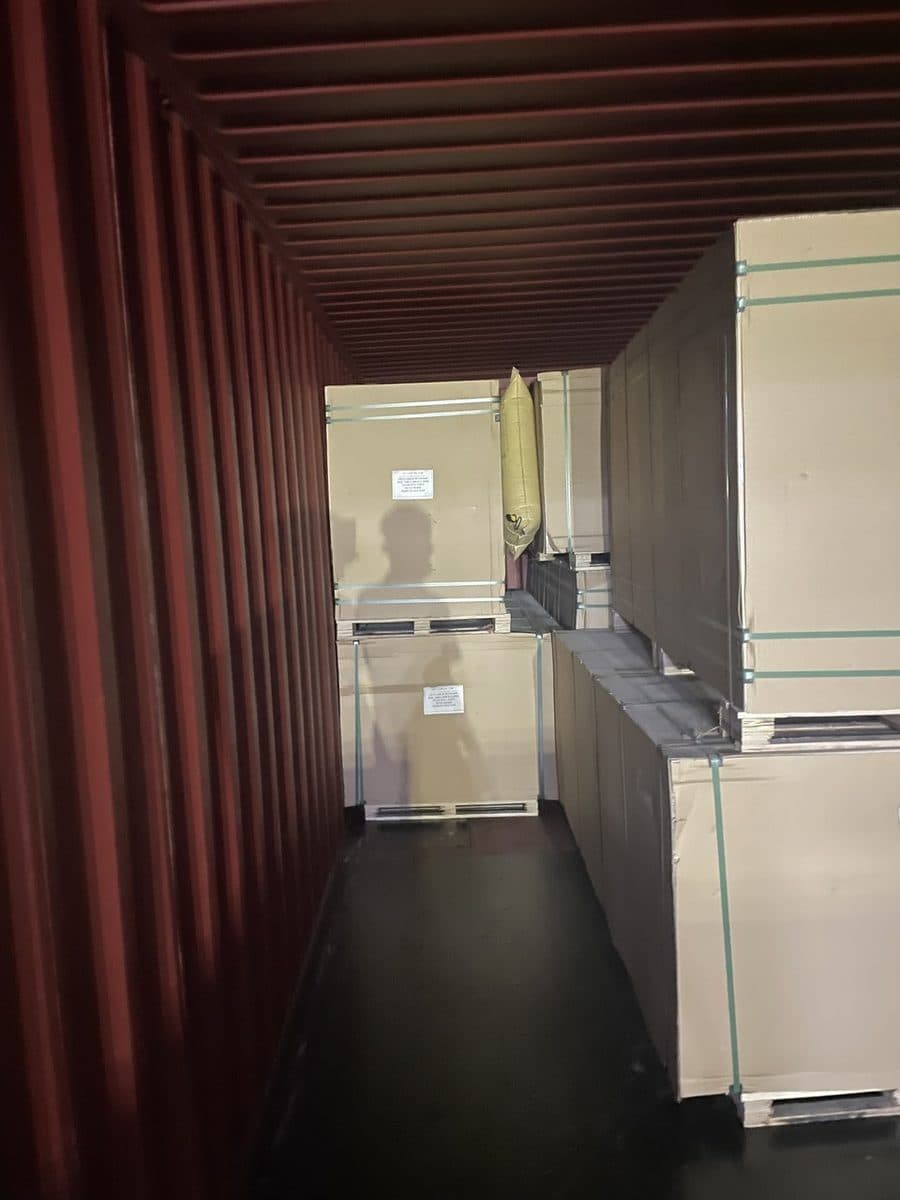
How Much Plywood Fits in a Container
Plywood loading is limited by weight in a 20ft and by volume in a 40ft high-cube. The crossover depends on panel thickness — get it wrong and you pay.
Read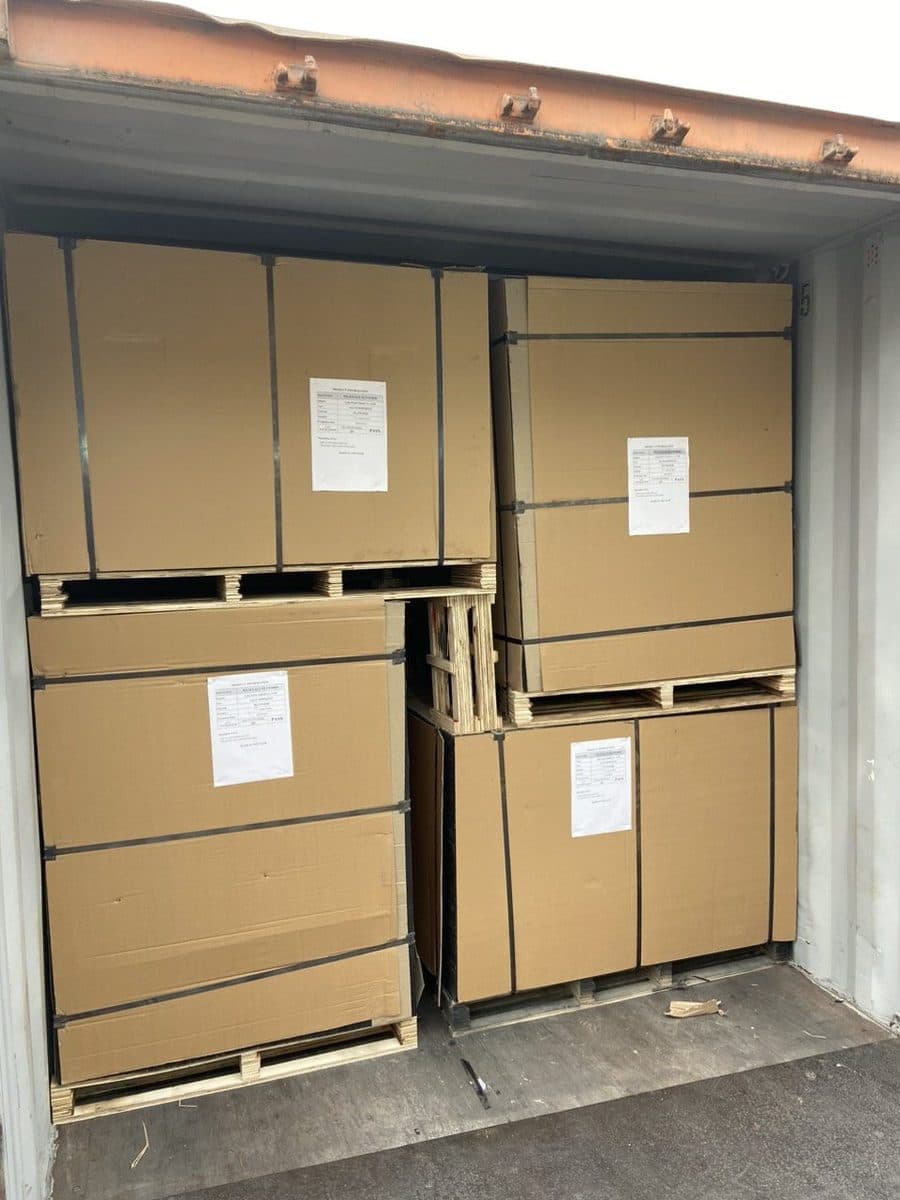
How Many Pours From a Film-Faced Panel?
Suppliers quote 8 to 50 reuses and none is lying — it depends on site practice more than the panel. Compare on cost per pour, not price per sheet.
Read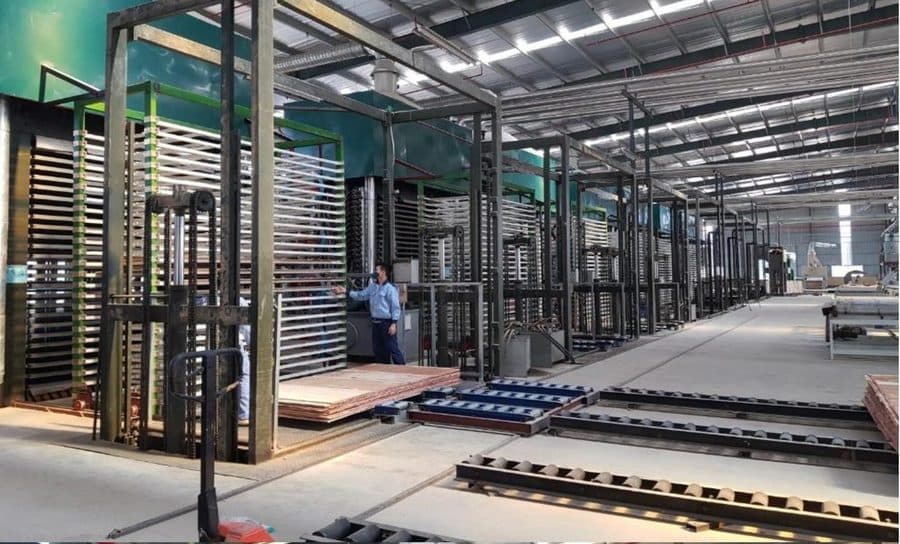
Why Plywood Arrives Warped — and the Fix
Warping is almost never a pressing fault. It is a moisture story that starts at the mill and ends in your warehouse. Four spec lines prevent most of it.
Read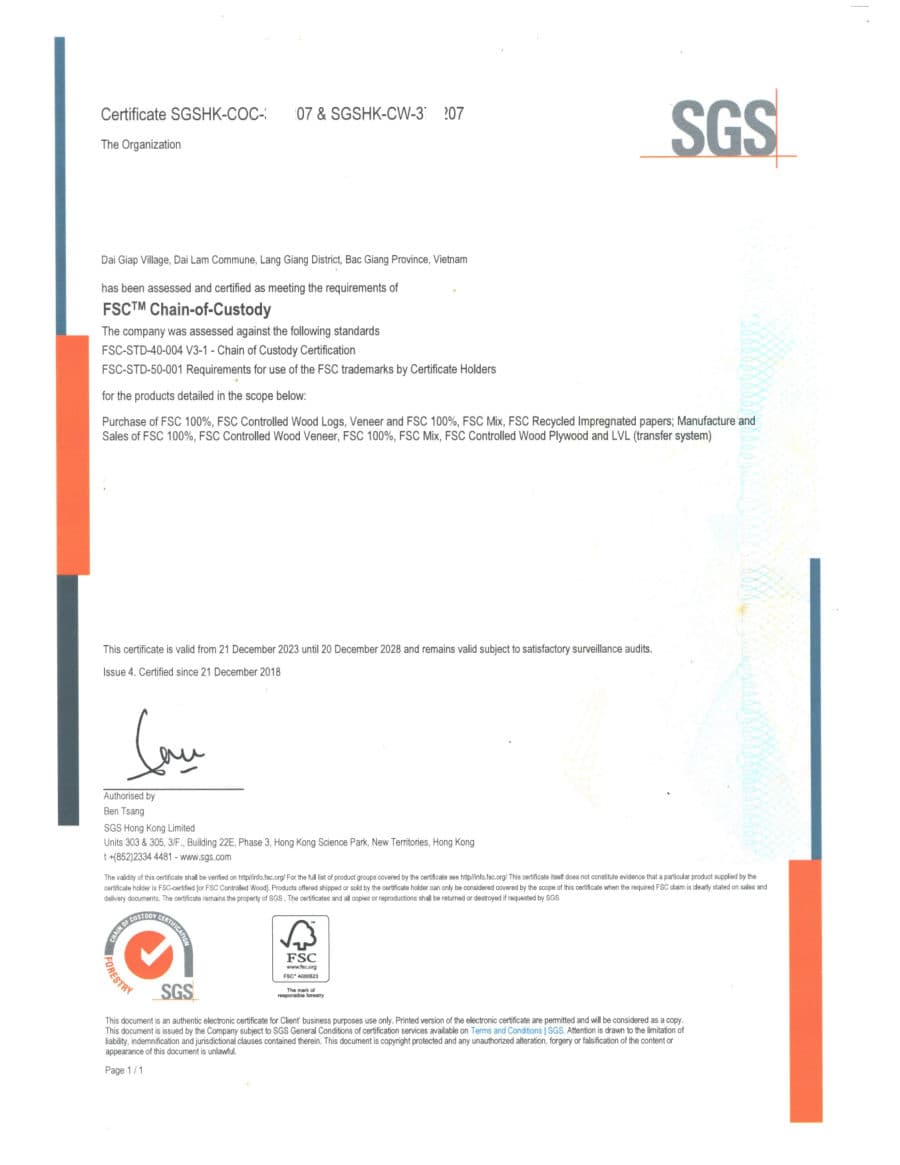
EUDR for EU Plywood Importers
You file the Due Diligence Statement and you carry the liability. Your Vietnamese supplier provides the data — most do not yet know which data.
Read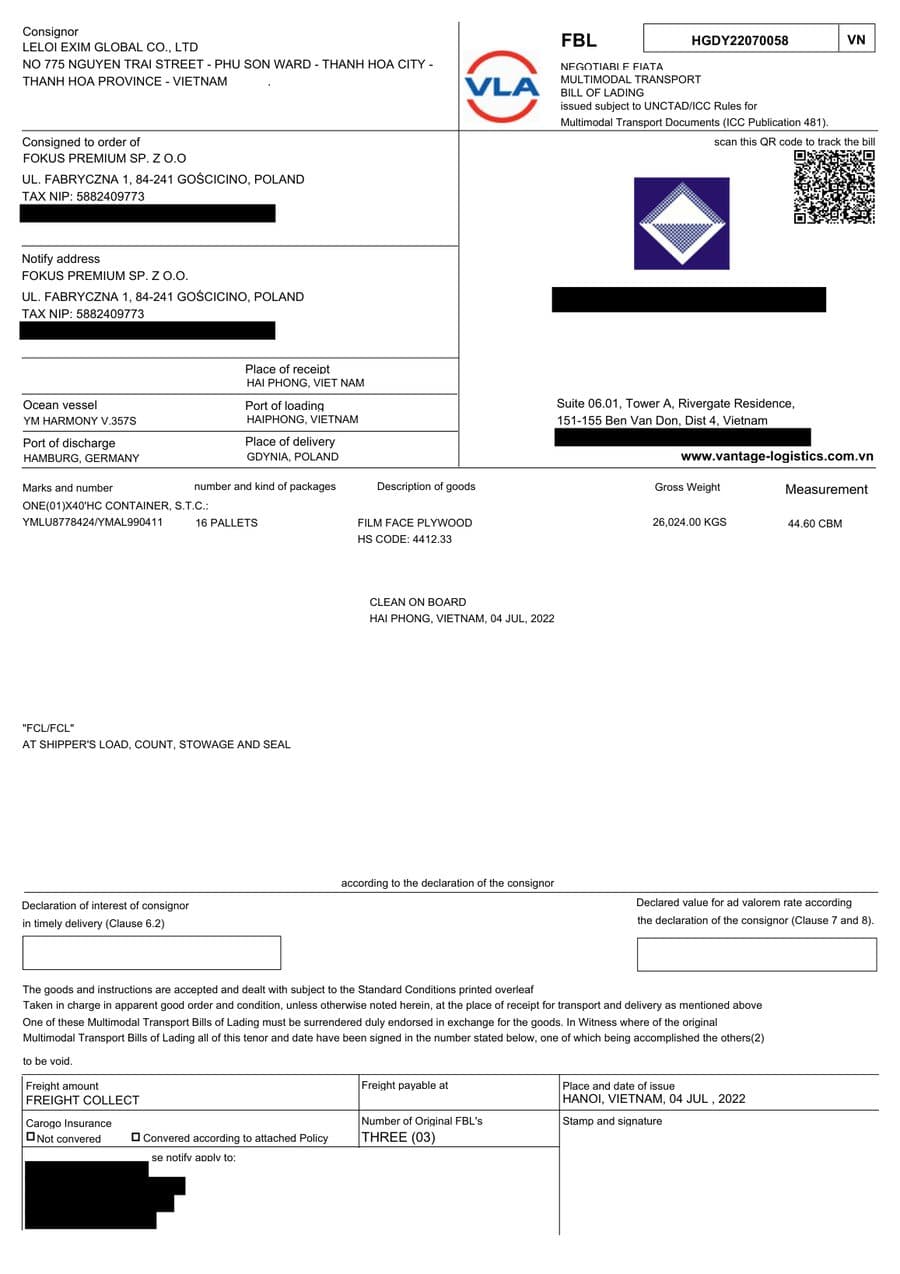
What an EUDR Document Pack Must Contain
Most suppliers answer an EUDR request with a folder of unrelated PDFs. A pack that survives an operator review has a specific structure. File by file.
Read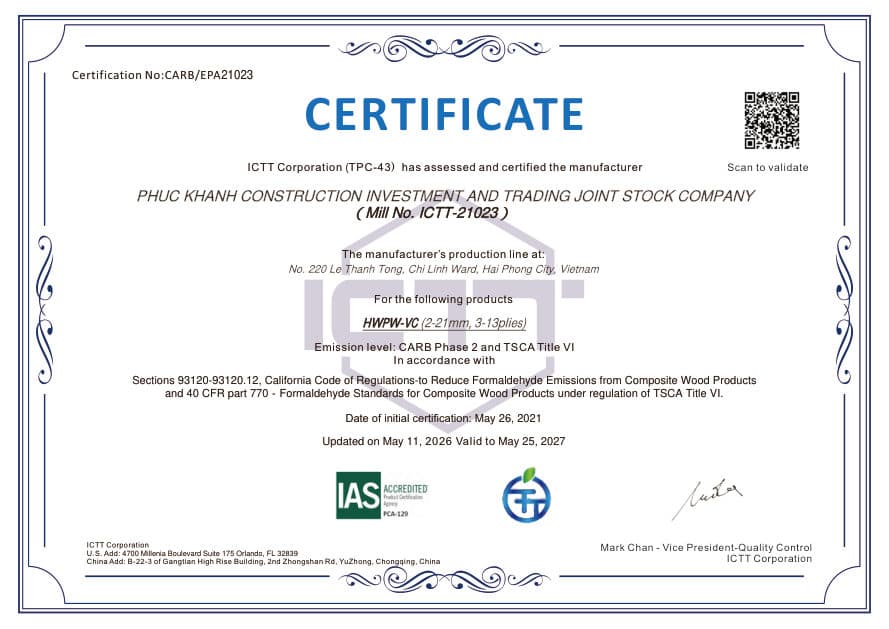
CARB Phase 2 and TSCA Title VI Explained
For hardwood plywood entering the US, formaldehyde compliance is a federal requirement with certification, labelling and record duties on the importer.
Read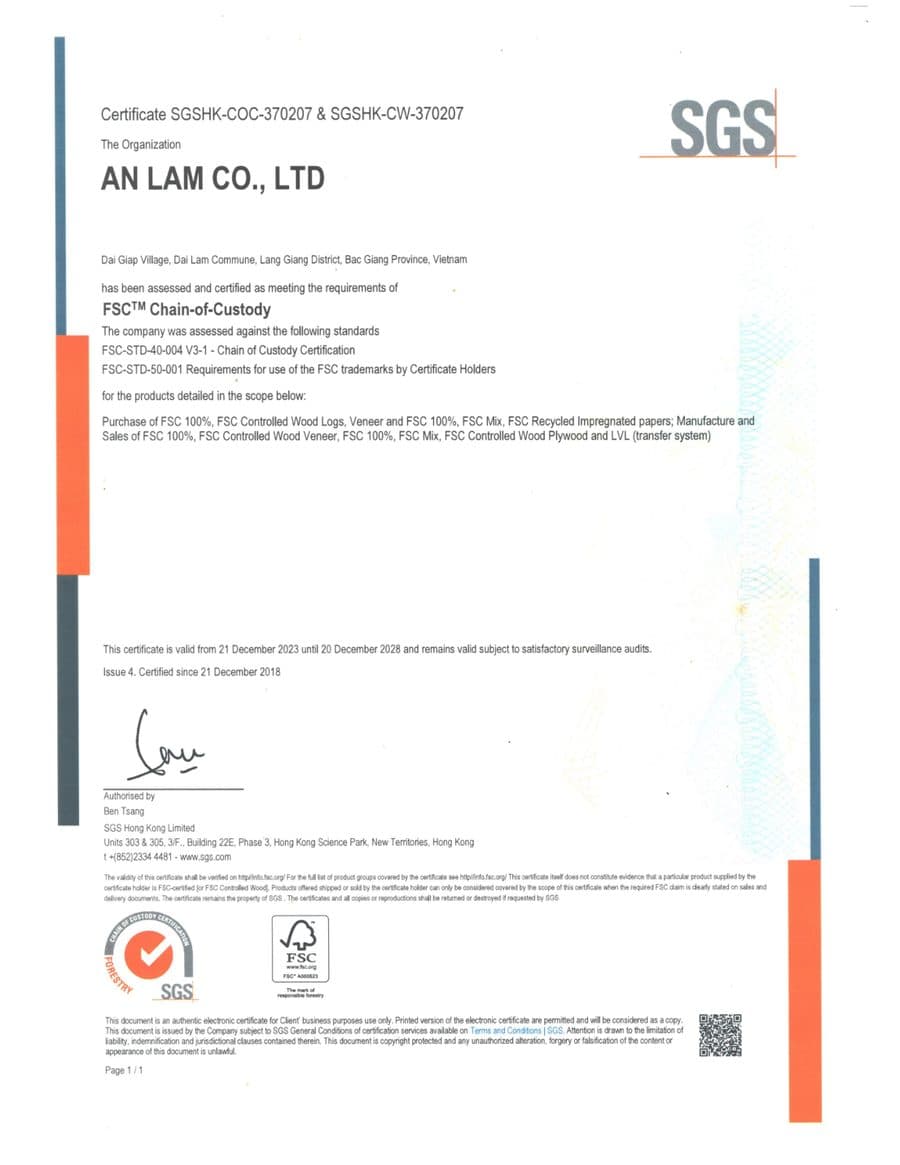
FSC Chain of Custody: What It Proves
An FSC licence code proves less than most buyers assume and more than sceptics allow. What it covers, how to verify it, and three ways it goes wrong.
Read
The Lacey Act Declaration for Wood Imports
The Lacey Act bars importing wood harvested against any country's laws, and requires a declaration of species, origin and value. The duty is yours.
Read
CE Marking and EN 13986 for Plywood
CE marking under EN 13986 is required for wood-based panels used in EU construction — and not for furniture panels. The distinction costs or saves money.
Read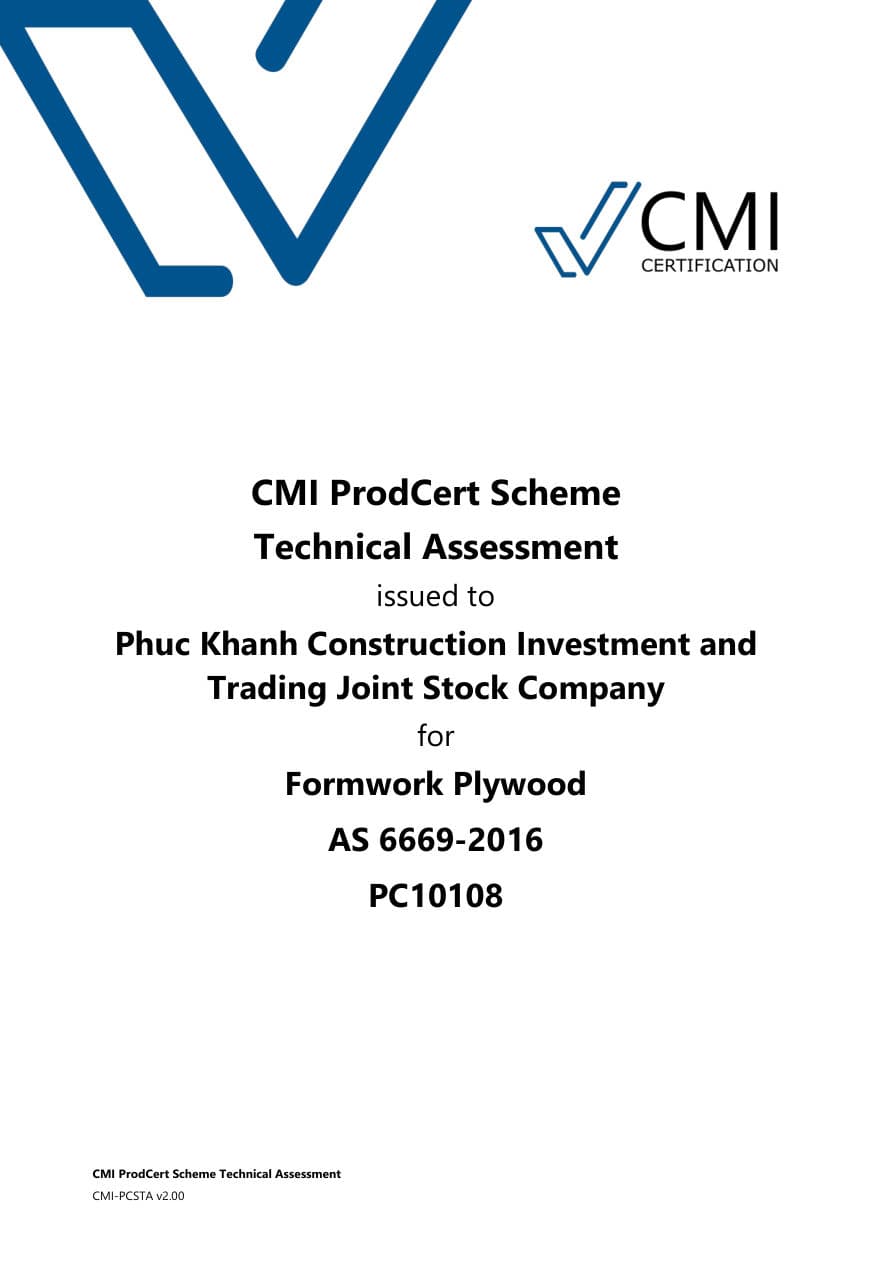
AS 6669 Formwork Plywood for Australia
AS 6669-2016 specifies formwork plywood by stress grade, not film weight. For Australian projects the F-grade and its certificate outrank the surface.
ReadFrom EUTR to EUDR: What Changed
If you have run an EUTR due diligence system for a decade, three things change and one stays the same. Knowing which tells you what you can keep.
Read
Sourcing Plywood From Vietnam: the Map
Vietnam has three plywood clusters making different things at different prices. Knowing which one you are talking to explains most of what follows.
Read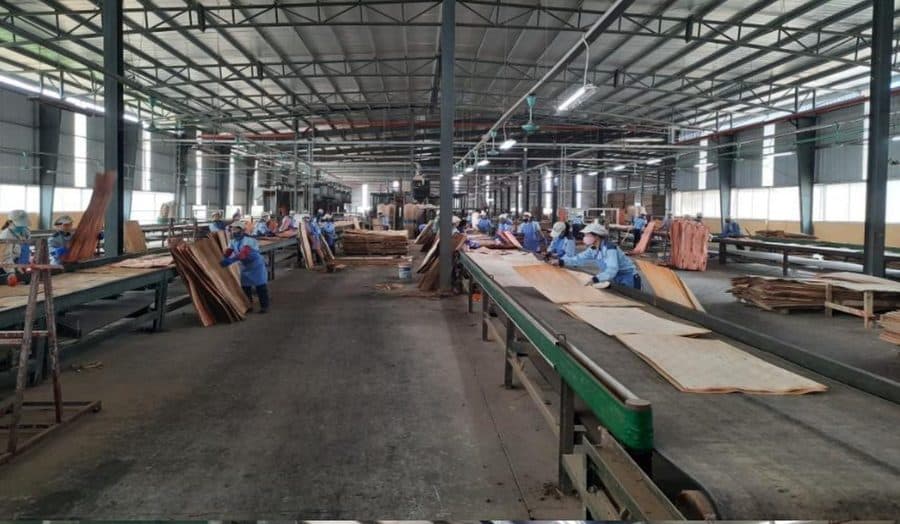
Auditing a Vietnamese Plywood Mill Remotely
A remote audit will not replace a site visit, but done properly it removes most suppliers who would waste your time. Eight checks, about three hours.
Read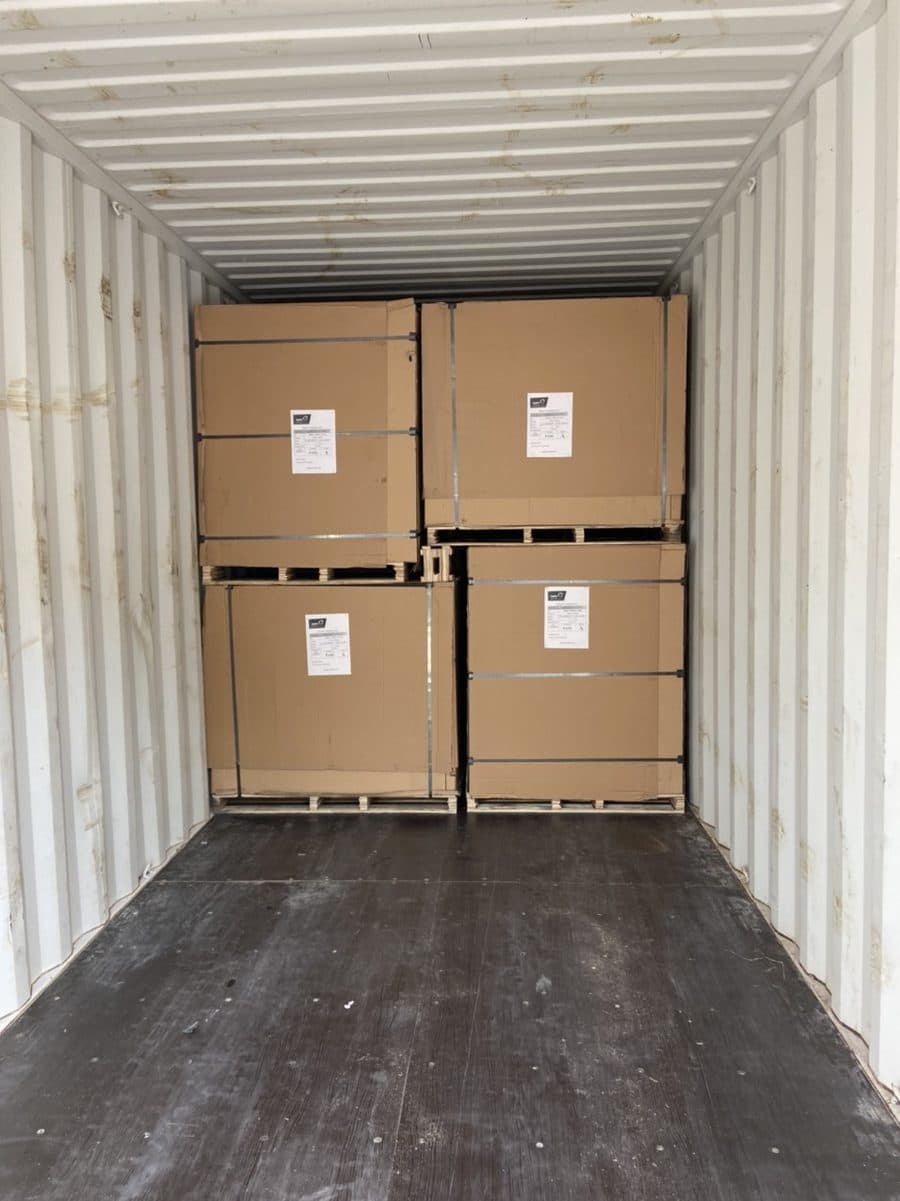
Nine Red Flags Sourcing Plywood From Asia
Every one of these has cost a real buyer real money. None needs special expertise to spot — only somebody paying attention when the schedule is tight.
Read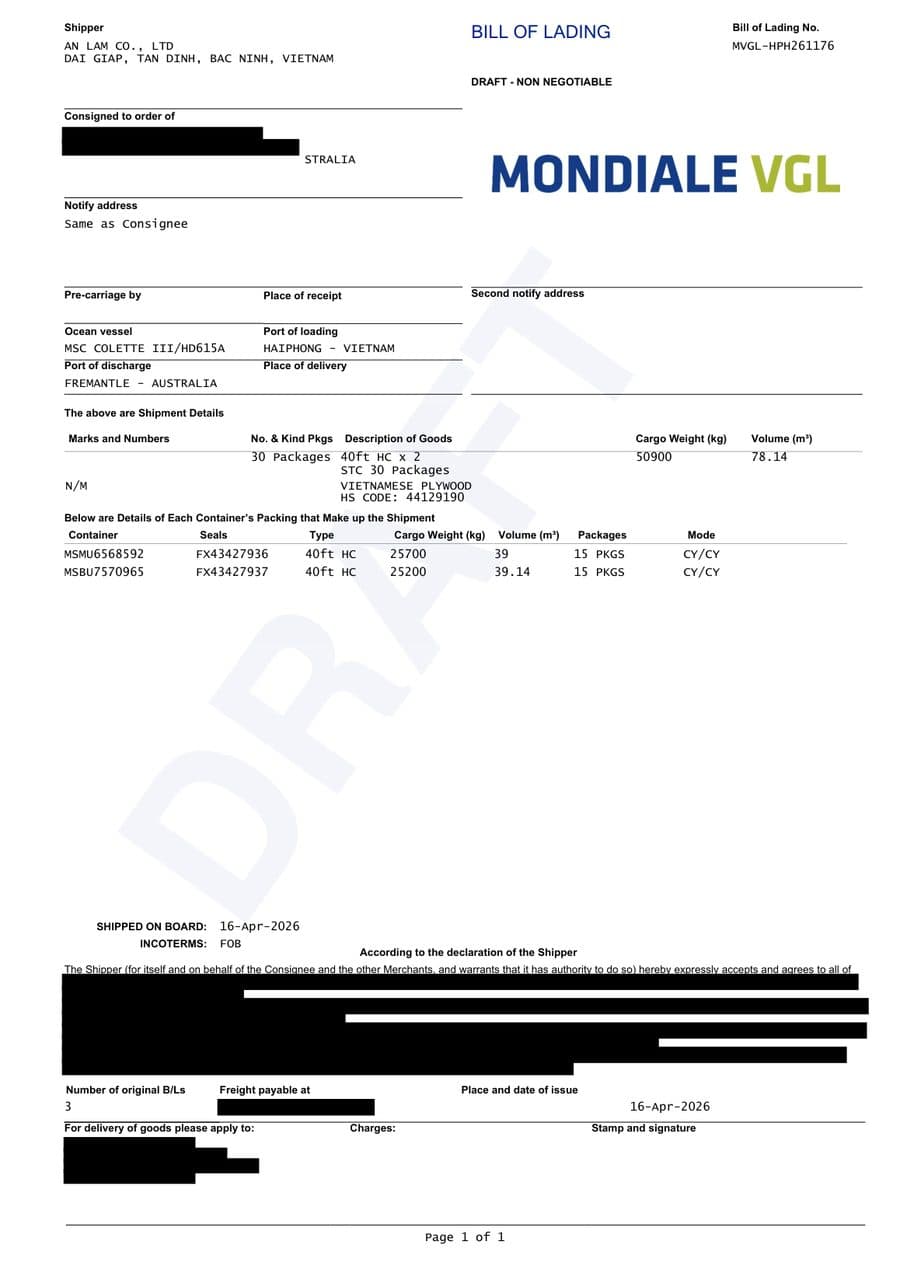
Payment Terms for a First Plywood Order
A first order is a mutual credit decision. Terms protecting only one side get refused or abused. Here is the structure that works in practice.
Read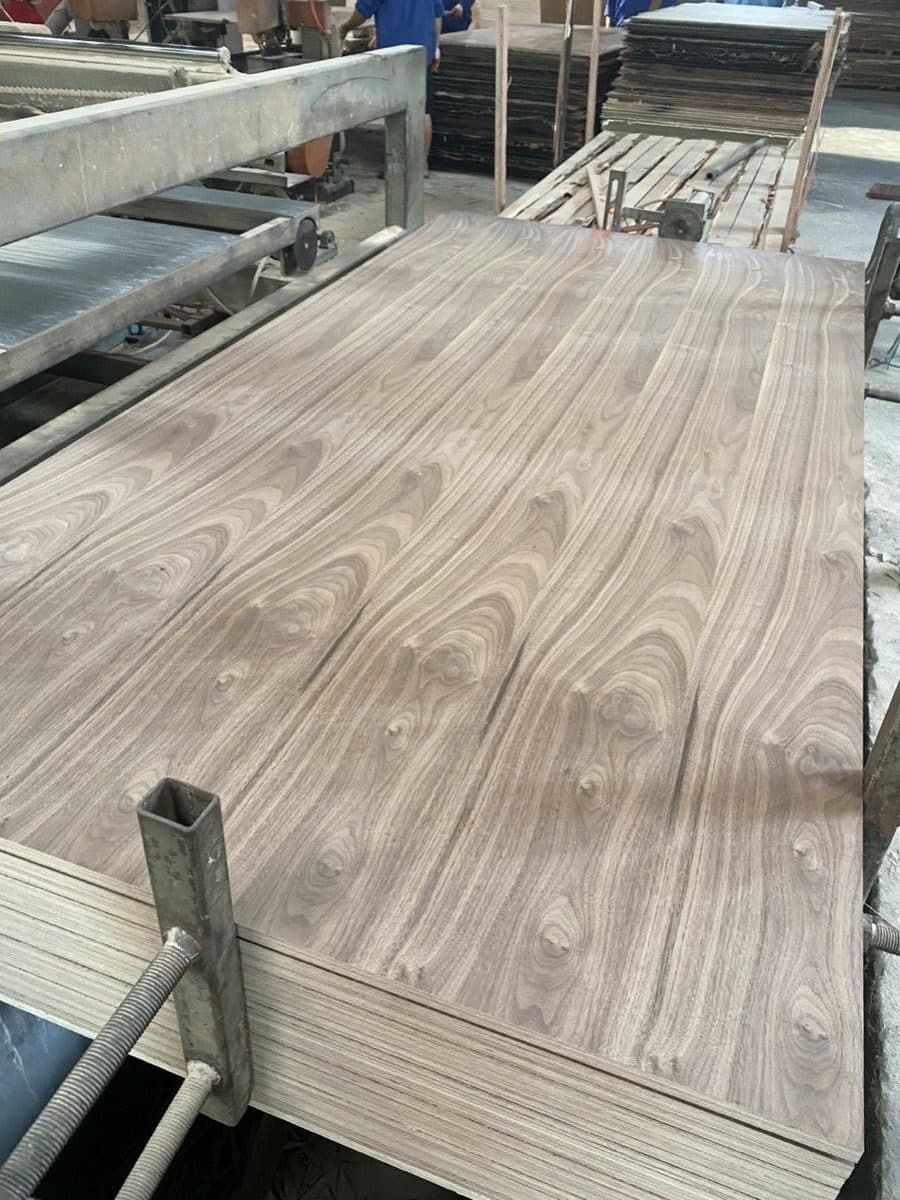
Who Actually Buys Canadian Birch
Canada exports birch as raw material, not as panels. We queried 9,840 birch shipment records to see where it goes, who buys it and at what price.
Read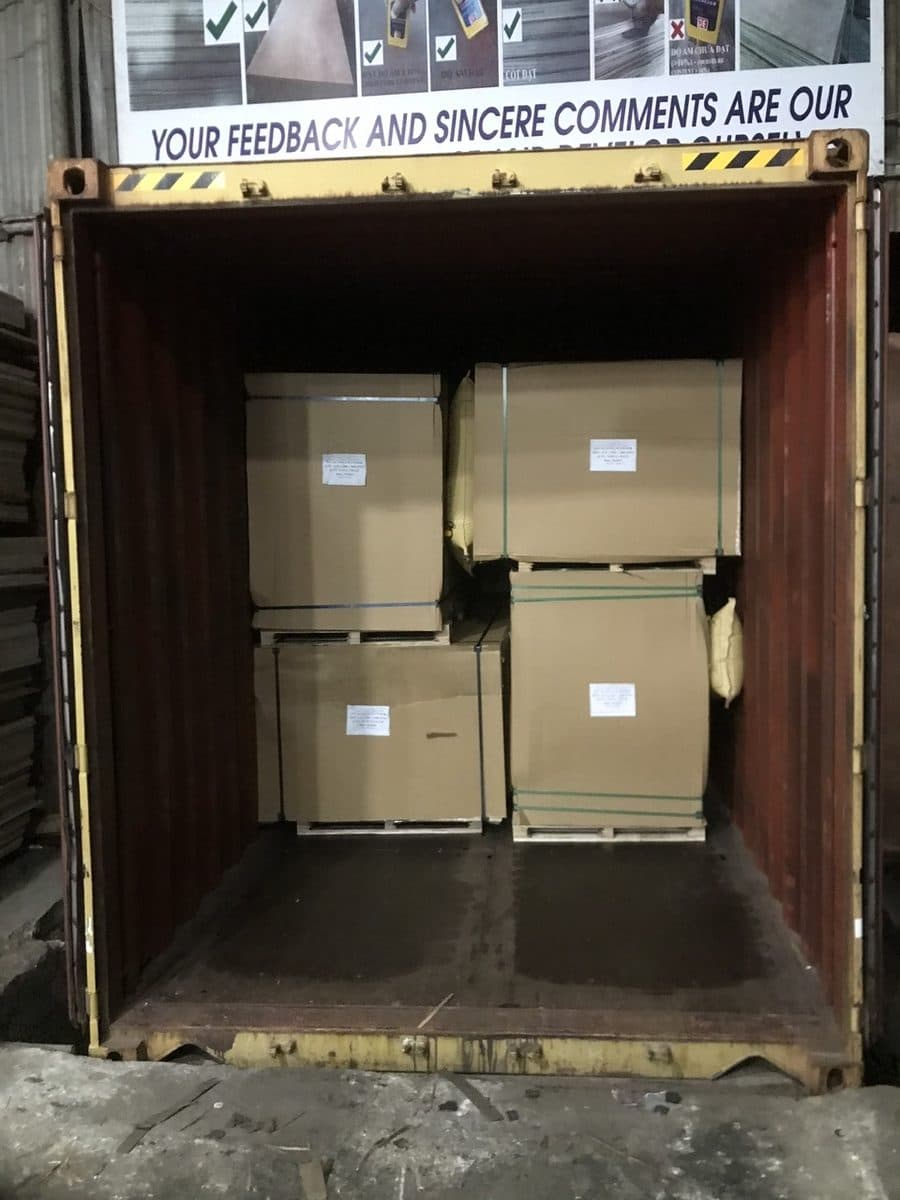
Pre-Shipment Inspection for Plywood
A generic inspection report tells you the goods existed. A useful one tells you thickness, moisture, face against signed sample, and loading condition.
Read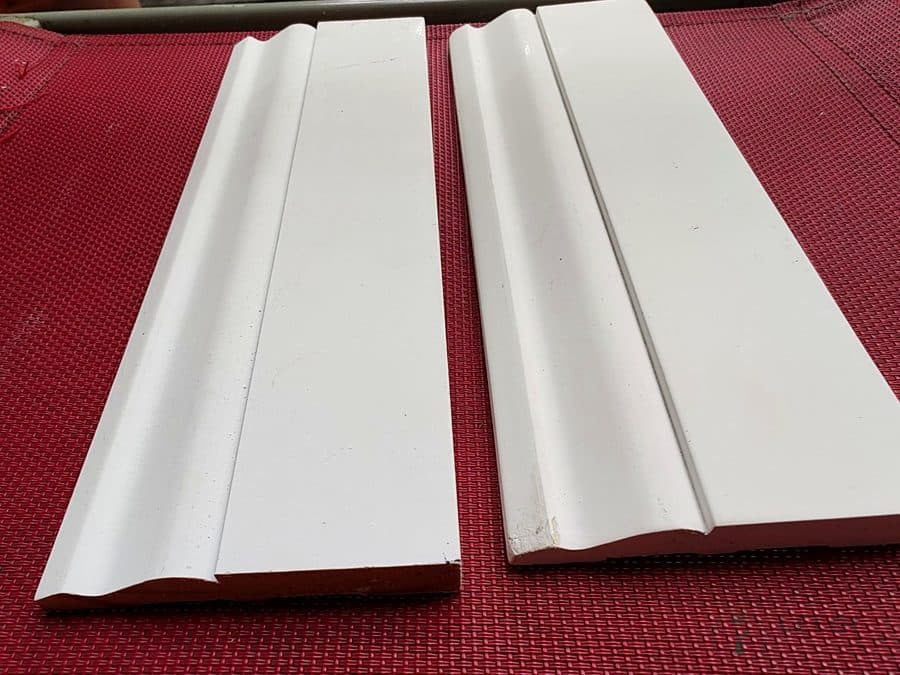
Primed Moulding for North American Buyers
North American trim runs on imperial profiles, imperial lengths and a distribution model that punishes damaged bundles. Those three decide the programme.
Read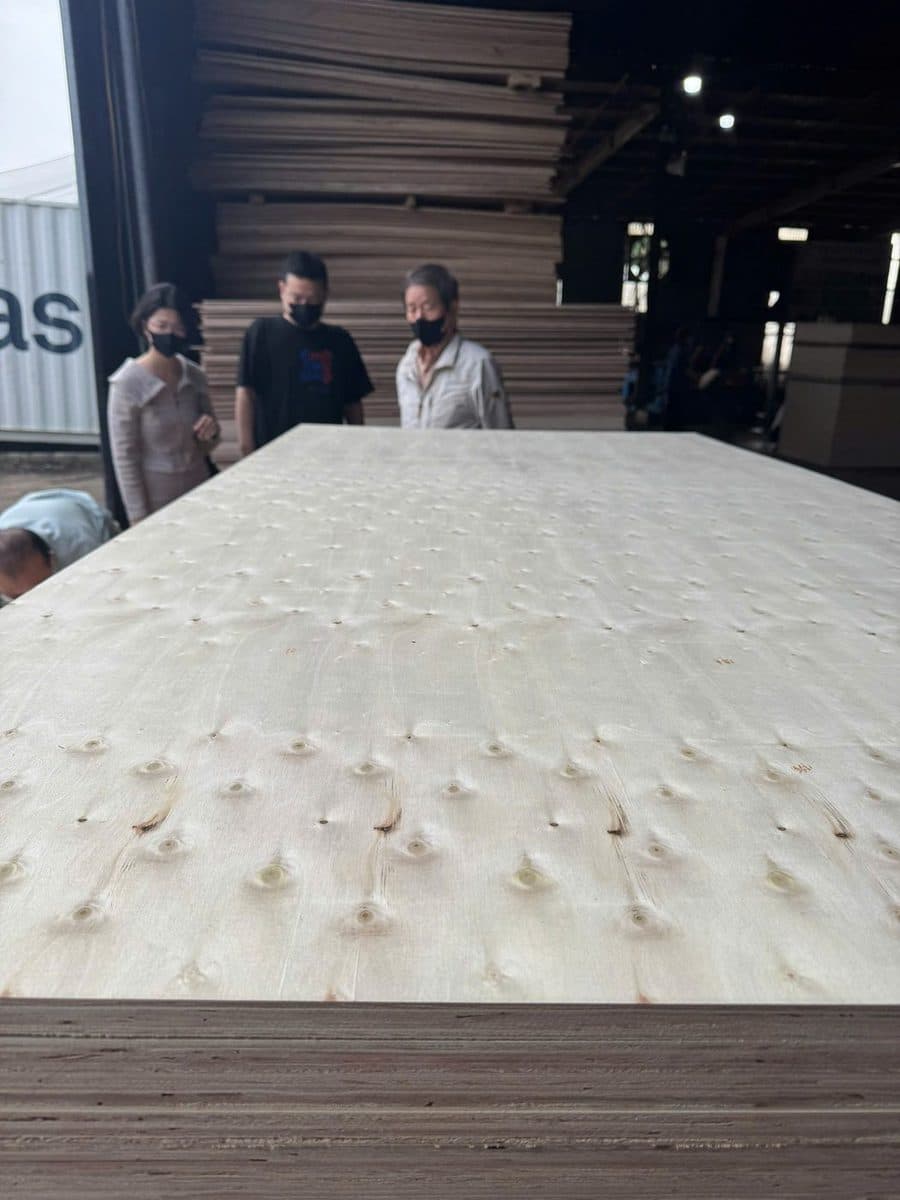
Vietnam or China for Plywood
China has deeper capacity and a wider species range. Vietnam has a different trade position and plantation material with plot-level paperwork.
ReadThe 2020 Cut-Off and Satellite Alerts
EUDR asks whether land was deforested after 31 December 2020. A satellite alert is a signal to investigate, not a verdict — the difference matters.
ReadWhat EU Buyers Ask For Under EUDR
EU importers carry the liability, so they ask in a specific shape: plot geolocation, production period, legality evidence, a traceable link to your batch.
ReadEUDR Plot Coordinates Without a GPS Survey
Most Vietnamese plots already carry coordinates on the land certificate, in VN2000. Converting to WGS84 is a calculation, not a field trip.
ReadThere Is No Such Thing as an EUDR Certificate
The EU does not issue an EUDR certificate and has authorised nobody to. What the rules require is a due diligence statement from the EU importer.
Read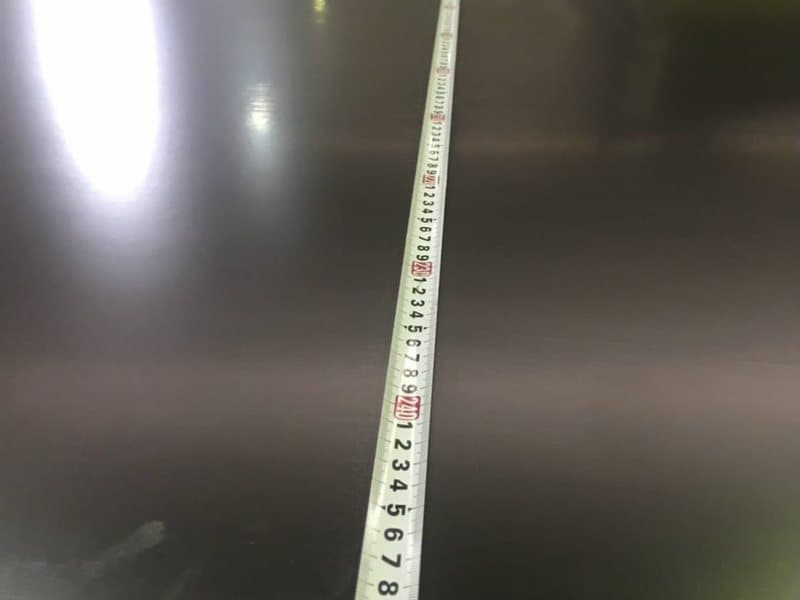
Film-Faced vs Commercial Plywood
Film-faced plywood is built for concrete formwork and designed for 8–15 pours, depending on site handling. Commercial plywood is for furniture. Choosing wrong costs more than the gap.
Read
Seven Signs an Overseas Buyer Is Not Real
Trade fraud rarely starts with an obvious lie. It starts with an order too good to refuse, then a small payment request. Here are the signals.
Read