Short answer
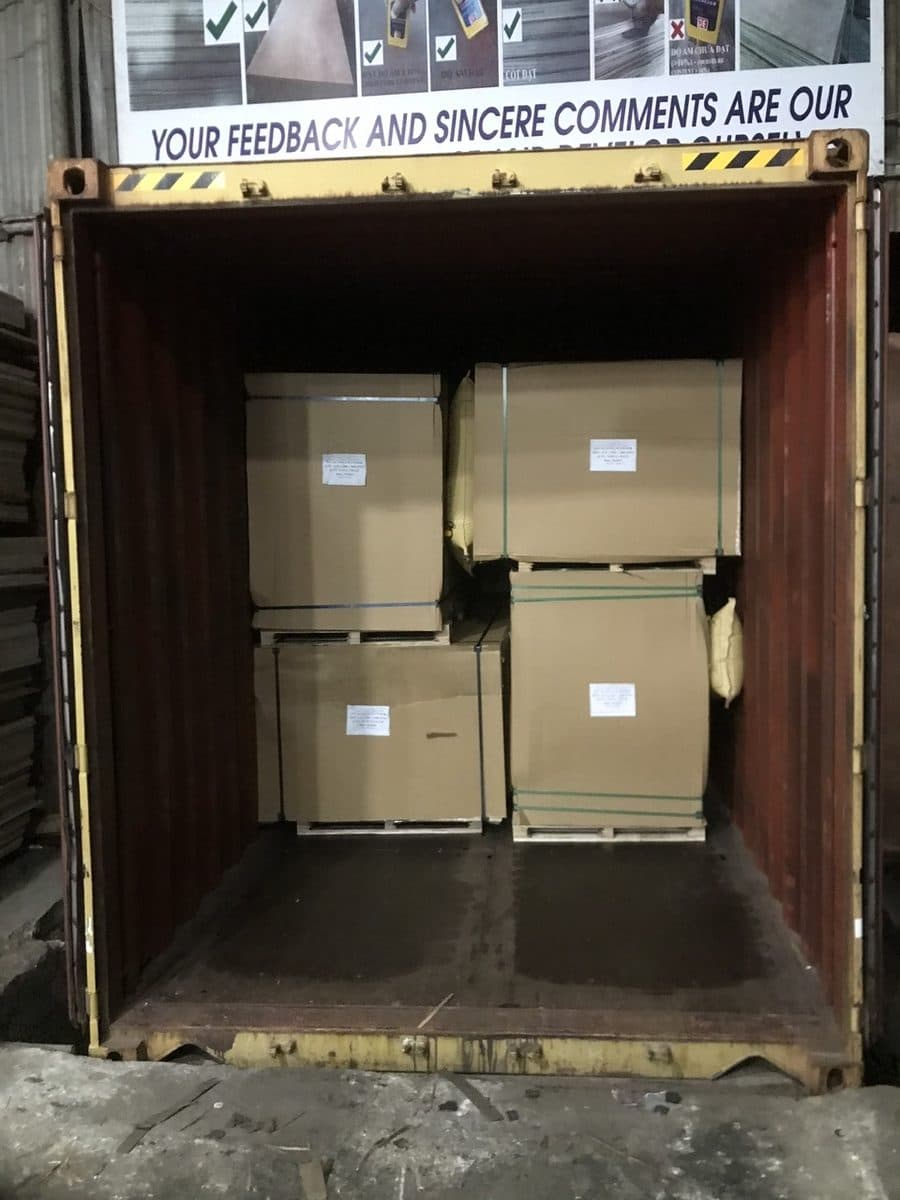
The scope that matters has seven items: caliper thickness measured at multiple points per panel across a defined sample, moisture content by pin meter with the display photographed, face grade compared against the signed physical sample, panel count and dimensions against the packing list, edge sealing and packaging condition, marking and labelling required by your market, and loading photographs with the container and seal numbers visible. Write the sample size and the acceptance criteria into the contract, and tie the final payment to a passed report. An inspection without acceptance criteria is a photo album.
Thickness is the measurement that pays for the inspection
Under-thickness is the most common and most profitable substitution in the plywood trade, because a panel 1.5 mm thinner than nominal looks identical in a stack and represents a real cost saving on every sheet. Specify the tolerance in millimetres, the number of measurement points per panel, and the number of panels sampled per container — a percentage with no measurement protocol is not enforceable.
Moisture and packaging decide what arrives
A panel that leaves at 14% moisture will not arrive flat after three weeks in a container crossing the tropics. Put a moisture range into the contract — 8–12% is normal for plywood — and require pin-meter readings across the stack with the meter display photographed, not a number typed into a report.
Then packaging: full moisture-barrier wrap including the top of the stack, desiccant sized for the voyage, edge protection, and bundles on bearers. These are the items an inspector can confirm in ten minutes and that determine whether you are unpacking product or filing a claim.
Who should do the inspection?
Someone you appoint and pay, not someone the supplier arranges. That is not a comment on any particular supplier — it is that an inspector's independence comes from who pays them, and a report you commissioned is a document you can use. For a first order this is not optional, and the cost is a fraction of one percent of the container value.
- Caliper thickness — tolerance in mm, points per panel, panels per container
- Moisture by pin meter, display photographed
- Face grade against the signed physical sample
- Count and dimensions against the packing list
- Marking required by destination market (CARB/TSCA, CE, AS)
- Loading photographs with container and seal numbers visible
Questions buyers ask about this
How many panels should be sampled?+
Use a recognised sampling plan rather than inventing a number — an AQL-based plan sized to the lot gives you a defensible basis if you reject. What matters more than the exact figure is that the sample is drawn from across the container, including bundles at the back, not from the three bundles nearest the door.
Can inspection happen during production instead?+
For large or repeat orders, during-production inspection at around 30% completion is more useful than a final check, because problems found then can still be fixed without delaying the vessel. The best structure is both: a during-production visit and a final pre-loading inspection.
Arrange an independent inspection
Get startedRead next
LELOI EXIM GLOBAL CO., LTD · Tax ID 2802935153