Short answer
An EU buyer will ask for six things: the legal identity of your company and each supplier; the product with its customs code and quantity; the geolocation of every plot the goods came from; the production or harvest period; evidence that production was legal in Vietnam; and the batch records that link those plots to the specific shipment. They are not testing you — they cannot file their due diligence statement without these fields, and they will move to a supplier who has them.
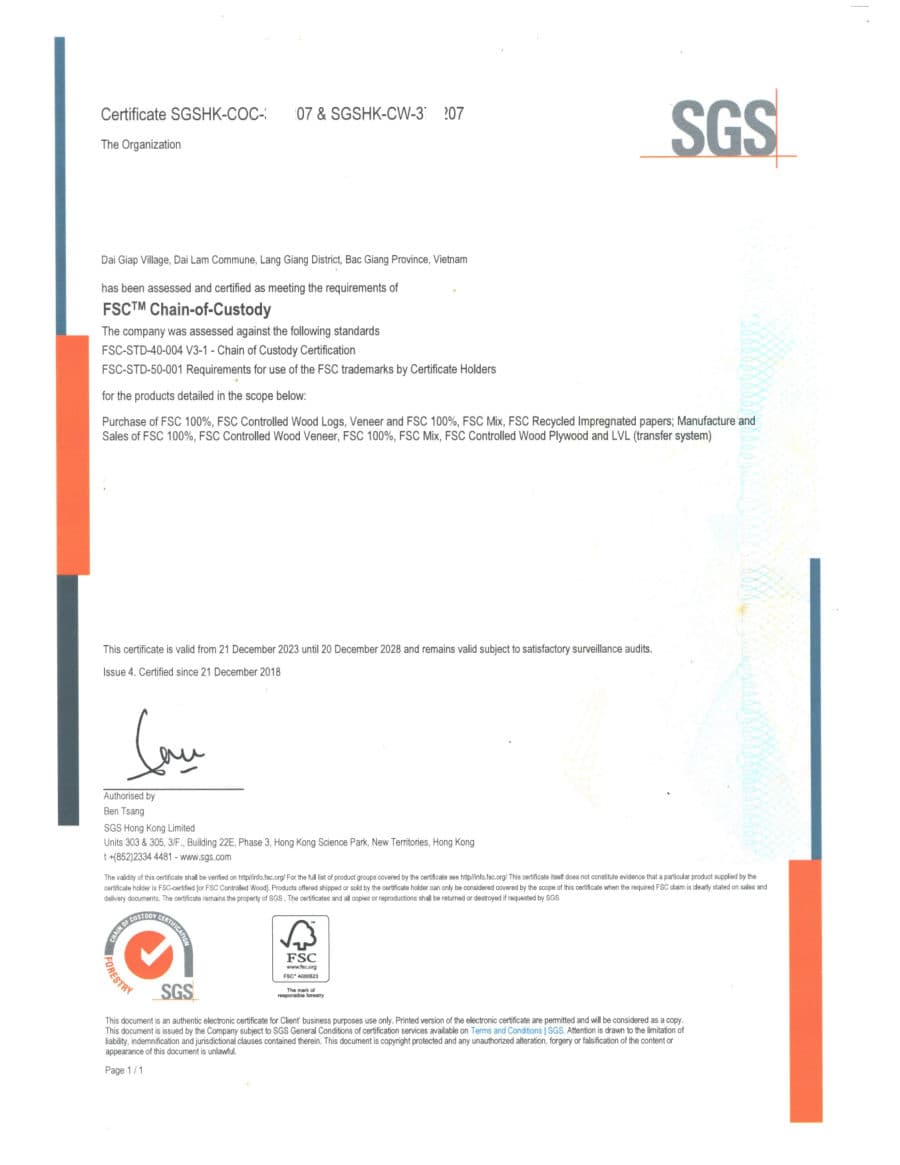
Why does the buyer ask instead of the authorities?
Because the obligation sits with them. The EU company that places goods on the market files the statement and faces the penalty if the data is wrong. Nothing in the regulation gives them power over you — but everything in it gives them a reason to buy from whoever makes their filing easy.
The six things, in the order they are usually asked
First, who you are: business registration, tax code, address, and the same for every supplier feeding the shipment. Second, what the goods are: description, customs code, quantity and unit. Third, where they came from: coordinates for every plot, as a polygon where possible. Fourth, when: the harvest or production period. Fifth, legality: land use documents, harvest permits where the commodity requires them, purchase contracts. Sixth, traceability: the records showing which plots went into which batch, and which batch went into which container.
The sixth is where most Vietnamese exporters stop being able to answer. The first five are documents you can collect. The sixth is a habit you have to start now, because it can only be built going forward — you cannot reconstruct last season's batch records from memory.
What a good answer looks like
Not a folder of scanned PDFs attached to an email. A structured set the buyer can hand to their compliance system: a GeoJSON file of the plots, a table of batches with codes and quantities, and the supporting documents linked to the right supplier. If your buyer has to retype anything, you have created work for them instead of removing it.
What to do when you cannot answer everything yet
Say so, and show what you do have. Buyers are working through this for the first time as well, and a supplier who says "I have coordinates for eighteen of twenty-two plots and here is the plan for the rest" is far more reassuring than one who promises everything and goes quiet. Silence reads as risk.
Questions buyers ask about this
Our buyer sent a spreadsheet template. Do we have to use theirs?+
Use it if they have one — it means their system expects that shape and filling it yourself saves an argument later. Keep your own structured records underneath, so you can produce the same data in whatever format the next buyer asks for.
Can we refuse to give plot coordinates for commercial reasons?+
You can, and some suppliers do because they fear the buyer will go direct to the farms. But the buyer then cannot file, so they cannot buy. A practical middle path is sharing coordinates through a controlled portal with an expiry rather than emailing a spreadsheet that lives forever in their inbox.
How far back do the records need to go?+
The due diligence covers the goods being placed on the market, so the records follow the shipment, not your company history. What must reach back is the deforestation check on the land itself, against the 31 December 2020 cut-off.
Our buyer asked for a third-party audit. Is that required?+
Not by the regulation. It is the buyer's own risk-mitigation choice, and it is negotiable — especially if your data is complete and verifiable without one. An audit is usually asked for when the buyer cannot check the data themselves.
Get the free forms and checklist
Get startedRead next
LELOI EXIM GLOBAL CO., LTD · Tax ID 2802935153